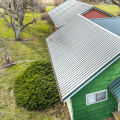
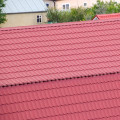
Metal roofing has become increasingly popular among homeowners because of its durability, energy efficiency, and modern appearance. Many people choose metal roofing for its ability to withstand harsh weather conditions, resist fire, and provide decades of reliable performance with relatively low maintenance. However, one of its most overlooked benefits is the positive impact it can have on a home's overall structural performance. While roofing materials are often selected based on style and lifespan, they also influence the loads transferred to the building's framing system. In many cases, metal roofing is significantly lighter than traditional materials such as concrete tiles, clay tiles, or natural slate. This reduced weight places less stress on rafters, trusses, walls, and foundations, offering structural advantages that can contribute to the long-term stability of the entire home. Understanding these hidden benefits allows homeowners to make more informed decisions when planning a roof replacement or new construction project.
Reduced Weight Supports Structural Performance
Every roof functions as part of a building's structural system by transferring its weight and environmental loads safely through the framing and into the foundation. Heavier roofing materials require supporting structures capable of carrying substantial permanent loads in addition to temporary forces from wind, rain, or maintenance activities. Because metal roofing is generally lighter than many conventional alternatives, it can reduce the continuous load placed on structural components throughout the life of the building. This reduced weight may lessen long-term stress on rafters, trusses, beams, and load-bearing walls, particularly in older homes where existing framing may have experienced decades of service. Structural engineers appreciate roofing systems that balance durability with efficient load management because they help preserve the integrity of the supporting framework. Companies such as Open Concept Engineering understand that thoughtful material selection contributes to both architectural performance and structural reliability, demonstrating how engineering principles complement practical construction decisions.
Strength, Stability, and Long-Term Protection
Beyond its lighter weight, metal roofing offers additional structural benefits through its resistance to many common forms of deterioration. Unlike some roofing materials that may crack, absorb moisture, or degrade over time, properly installed metal roofing resists corrosion, sheds water efficiently, and maintains consistent performance under changing weather conditions. Its durability helps reduce the likelihood of water intrusion that could otherwise damage roof sheathing, framing members, insulation, and interior finishes. In regions prone to strong winds, metal roofing systems designed to current building standards often provide excellent resistance against uplift forces, helping maintain the integrity of the roof structure during severe weather. Because the roofing system serves as the building's primary protective barrier, preserving its performance contributes directly to protecting the structural materials beneath it. Routine inspections and maintenance further enhance these benefits by ensuring fasteners, flashing, and drainage systems continue functioning effectively throughout the roof's lifespan.
Engineering and Roofing Working Together
Selecting the right roofing material involves more than evaluating appearance or initial installation costs. Structural considerations, environmental conditions, long-term maintenance, and future renovation plans all influence which roofing system is best suited for a particular property. Collaboration between roofing contractors, architects, and structural engineers helps ensure that the selected material aligns with the building's design, structural capacity, and performance goals. This coordinated approach becomes especially valuable for roof replacements involving older homes, complex roof geometries, or planned additions such as solar panels or rooftop mechanical equipment. By recognizing the hidden structural advantages of metal roofing, homeowners gain a deeper understanding of how roofing decisions affect the overall health of their property. Investing in a roofing system that combines lightweight construction, exceptional durability, and long-term structural compatibility helps protect the home's framework while improving energy efficiency, reducing maintenance requirements, and preserving property value for many years to come.