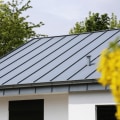
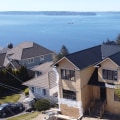
High-performance metal roofing is the result of advanced engineering, precision manufacturing, and a deep understanding of environmental stress factors. Unlike traditional roofing materials, metal roofing systems are designed to withstand extreme weather conditions, including high winds, heavy rainfall, hail, and even significant temperature fluctuations. Engineers carefully select alloys such as galvanized steel, aluminum, zinc, or copper based on their tensile strength, corrosion resistance, and longevity. Protective coatings, including zinc or aluminum-zinc blends, are applied through controlled processes to enhance resistance against rust and oxidation. These coatings are often bonded at the molecular level, ensuring they do not peel or degrade easily over time. The combination of strong base metals and advanced coatings results in a roofing system that can last 40 to 70 years or more, making it one of the most durable building envelope solutions available today.
Precision Manufacturing and Structural Design
The performance of metal roofing begins long before installation. Panels are engineered using computer-aided design (CAD) software to achieve optimal rib spacing, panel width, and seam configuration. Standing seam systems, for example, are designed with concealed fasteners that allow the metal to expand and contract naturally without compromising structural integrity. This flexibility is crucial because metal expands when heated and contracts when cooled; without proper engineering, this movement could lead to warping or fastener failure. Roll-forming machines shape panels with exact tolerances, ensuring consistency across every piece. Many systems are produced by a metal manufacturing company that adheres to strict quality control standards, testing each batch for thickness, coating adhesion, and load-bearing capacity. This rigorous process guarantees that every panel performs as intended once exposed to real-world conditions.
Thermal Performance and Energy Efficiency
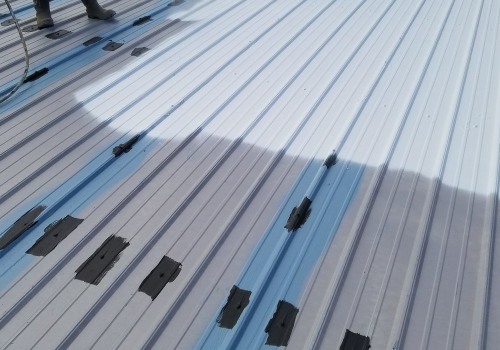
One of the most innovative aspects of high-performance metal roofing is its energy efficiency. Engineers design reflective coatings that increase solar reflectance and thermal emittance, helping buildings stay cooler in hot climates. Cool roof pigments embedded within the finish reflect infrared radiation rather than absorbing it, significantly reducing heat transfer into the structure below. Additionally, many metal roofing systems incorporate integrated insulation layers or are installed with underlayments that enhance thermal resistance. By minimizing heat gain, these systems reduce reliance on air conditioning and lower overall energy costs. In colder climates, proper insulation and ventilation beneath the panels prevent condensation buildup and ice dam formation, further extending the roof’s lifespan.
Wind and Weather Resistance Engineering
Metal roofing is engineered to meet stringent wind uplift and impact resistance standards. Interlocking panel systems distribute wind loads evenly across the roof deck, preventing localized stress points. Engineers test these systems in controlled environments that simulate hurricane-force winds to ensure they can withstand extreme events. Fasteners and clips are strategically spaced and anchored into structural supports, increasing pull-out resistance. Impact testing is also conducted to assess performance against hail and debris. Thanks to the inherent strength of metal and precise seam design, high-performance systems often achieve top ratings for impact resistance, making them ideal for areas prone to severe storms.
Sustainability and Long-Term Value
Beyond durability and performance, metal roofing engineering prioritizes sustainability. Most metal roofing materials contain a significant percentage of recycled content and are fully recyclable at the end of their service life. Lightweight construction reduces structural load requirements and simplifies transportation, lowering the overall carbon footprint. Advanced paint systems are designed to retain color and resist chalking or fading for decades, preserving both appearance and function. When combined with solar panel compatibility and rainwater harvesting integration, high-performance metal roofing becomes part of a broader sustainable building strategy.
Ultimately, the engineering behind high-performance metal roofing represents a blend of material science, structural innovation, and environmental awareness. Every seam, coating, and fastening method is carefully calculated to create a roofing system that not only protects but also enhances the efficiency and longevity of modern structures.