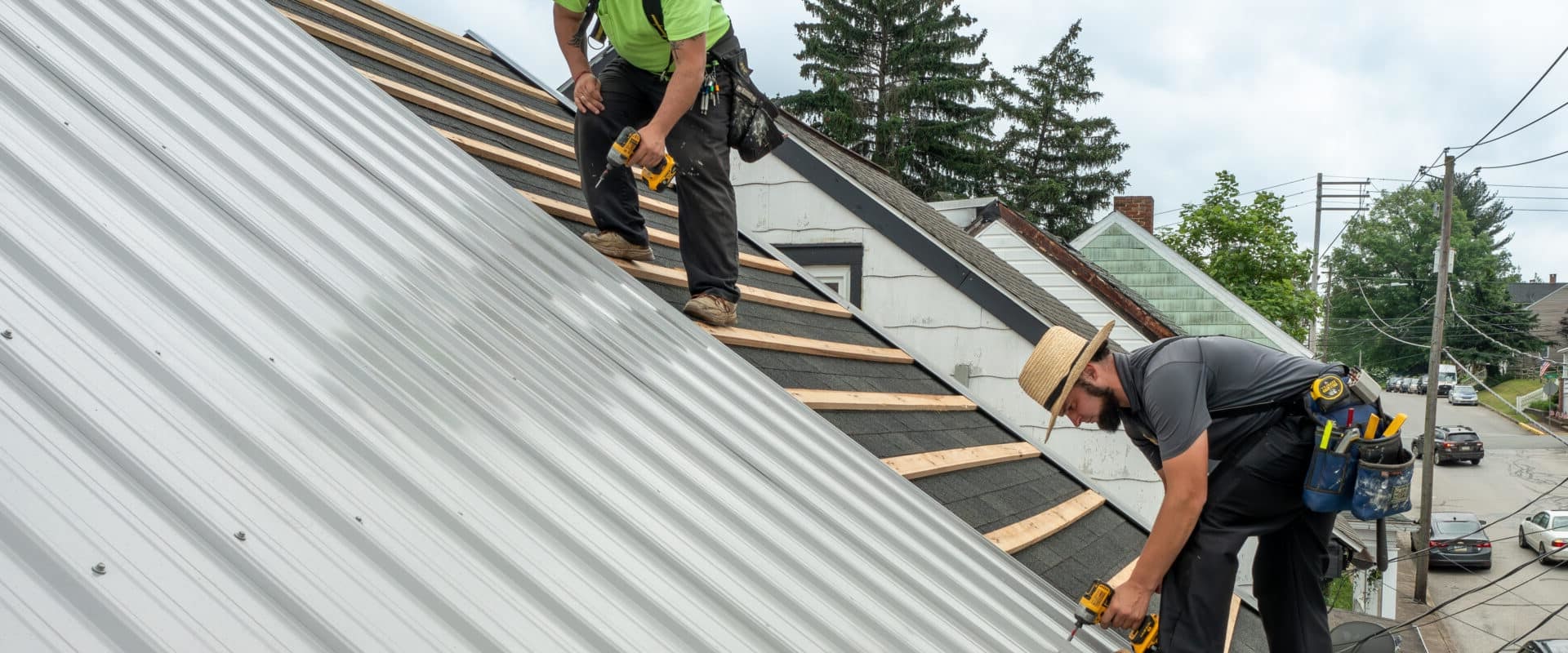
Modern home renovation projects often involve multiple contractors working simultaneously to complete both exterior and interior improvements within a limited timeframe. Among the most complex combinations is the coordination between metal roofing contractors and interior remodeling teams. While these groups may appear to operate independently, their work is closely connected throughout the renovation process. Metal roofing installations can influence interior conditions such as moisture control, insulation performance, ventilation, noise levels, and structural access, all of which directly affect remodeling activities happening inside the home. Because many homeowners now pursue full-property upgrades instead of isolated renovations, roofing specialists and interior contractors must communicate consistently to avoid delays, material damage, and scheduling conflicts. Proper coordination allows projects to move more efficiently while ensuring that both the structural integrity of the home and the quality of the interior finishes are protected during construction.
Managing Structural Access and Material Protection
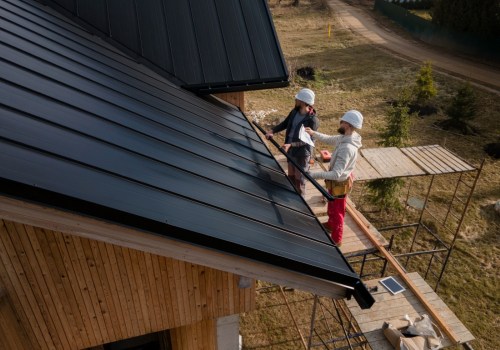
One of the primary responsibilities of metal roofing contractors during a large remodeling project is managing structural access without disrupting sensitive interior work. Roof replacement often involves removing old materials, inspecting decking, reinforcing framing, and installing updated underlayment systems before the metal roofing panels are secured. These activities create vibration, debris, and temporary exposure to outside weather conditions. Interior remodeling teams working on drywall, flooring, painting, or cabinetry installation must carefully plan their schedules around these phases to prevent damage to unfinished surfaces or newly installed materials. In high-end kitchen and living space renovations involving custom work such as Orlando Custom Cabinets, even small amounts of dust, moisture, or structural movement can affect cabinetry alignment, finishes, and long-term performance. To reduce these risks, roofing contractors often coordinate daily schedules with interior crews, allowing sensitive installation work to occur only after the most disruptive exterior tasks have been completed. Temporary barriers, protective coverings, and sealed work zones are commonly used to protect valuable interior materials while roofing activity continues overhead.
Communication Between Specialized Contractors
Successful coordination between roofing and interior remodeling teams depends heavily on communication. Metal roofing systems require precise installation timing because weather conditions, delivery schedules, and structural preparation can quickly affect project timelines. Interior remodeling contractors need accurate updates regarding roof removal phases, anticipated noise levels, and any periods where moisture exposure may temporarily increase inside the home. Weekly planning meetings and shared construction schedules have become increasingly common on larger renovation projects because they help prevent costly overlaps between exterior and interior work. For example, if roofing crews expect to expose portions of the attic or ceiling structure during decking replacement, interior teams may delay painting or ceiling texture application until the structural work is complete. Likewise, remodeling teams installing lighting systems, insulation upgrades, or ventilation components may need access to roof-adjacent areas before the metal panels are permanently installed. This level of coordination helps maintain project efficiency while minimizing the need for rework later in the construction process.
Supporting Long-Term Performance and Design Goals
Another important reason metal roofing contractors work closely with interior remodeling teams is to support the home’s long-term performance and overall design consistency. Modern homeowners increasingly view renovations as integrated investments rather than separate improvement projects. Metal roofing systems are often selected not only for durability and weather resistance but also for their energy efficiency and modern appearance. Interior remodeling plans may incorporate upgraded insulation, improved ventilation, energy-efficient windows, and open-concept layouts that depend on the roof system functioning properly as part of the home’s overall design strategy. Coordinated planning allows contractors to address ventilation pathways, drainage systems, structural support requirements, and insulation transitions more effectively before construction reaches its final stages. This collaborative approach helps homeowners achieve better long-term results while reducing the likelihood of future repairs or performance issues. Although roofing and interior remodeling may appear unrelated at first glance, successful modern renovation projects often rely on these teams working together closely to protect materials, maintain scheduling efficiency, and create a finished home that performs as well as it looks.