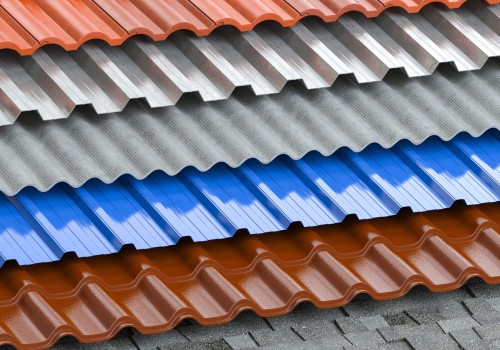
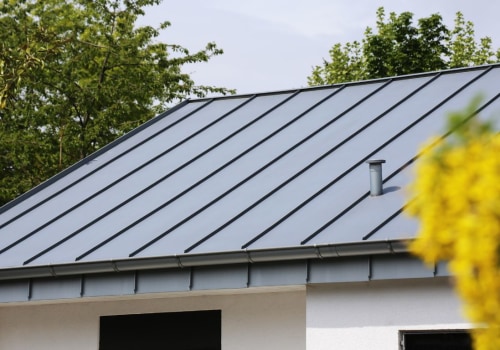
Metal roofing has become increasingly popular among homeowners and commercial property owners because of its durability, energy efficiency, and long lifespan. However, one issue that is often overlooked during metal roofing projects is the risk of condensation forming beneath the roof panels. Unlike some traditional roofing materials, metal surfaces can cool down and warm up rapidly as outdoor temperatures change. When warm, moisture-filled air inside the building comes into contact with cooler metal surfaces, condensation can develop underneath the roofing system. If this moisture is not properly managed, it can gradually create serious problems within the structure, including mold growth, insulation damage, wood rot, and corrosion of supporting components. This is why professional roofing services place significant focus on condensation prevention during metal roofing installation and restoration projects.
Condensation problems are especially common in climates with high humidity, fluctuating temperatures, or large indoor-outdoor temperature differences. Buildings with poor ventilation or insufficient insulation are particularly vulnerable because trapped moisture has limited opportunities to escape. Homeowners sometimes mistake condensation issues for roof leaks since water droplets may collect inside attic spaces or drip onto ceilings and insulation. However, the source of the problem is often moisture buildup caused by airflow and temperature imbalances rather than direct rainwater intrusion. Roofing professionals understand that controlling condensation requires a complete roofing system approach rather than simply installing metal panels over the existing structure.
Ventilation and Moisture Control Strategies
One of the most important ways roofing services address condensation risks is through proper ventilation design. Balanced attic ventilation helps regulate temperature and moisture levels beneath the roof by allowing humid air to escape while drawing in fresh airflow. Intake vents and exhaust vents work together to reduce trapped humidity that could otherwise condense beneath the metal roofing panels. During installation projects, roofing contractors often evaluate attic airflow, insulation conditions, and existing ventilation systems to determine whether improvements are needed before the new roof is installed.
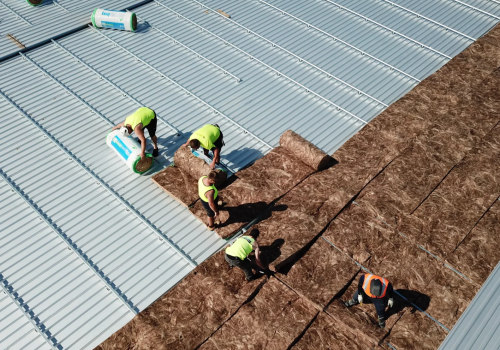
Insulation also plays a major role in reducing condensation risks. Proper insulation helps stabilize indoor temperatures and minimizes the temperature differences that contribute to condensation formation. Roofing professionals may recommend insulation upgrades or vapor barriers that help prevent warm interior air from reaching the underside of the metal roof. These protective layers help control moisture migration while improving the overall energy efficiency of the building. A company such as A-1 Roofing Services may assess both ventilation and insulation performance during metal roofing projects because condensation problems often originate from hidden airflow and moisture management issues rather than the roof panels themselves.
Protective Layers and Long-Term Structural Protection
Another important method roofing services use to address condensation is the installation of moisture-resistant underlayment systems. Specialized underlayments placed beneath metal roofing panels help create an additional barrier that protects the structure from trapped moisture. These materials can absorb or redirect condensation while preventing water from reaching roof decking and structural supports. In some projects, roofing professionals may also install drainage systems or air gap technologies designed specifically for metal roofing applications to improve airflow beneath the panels.
Addressing condensation risks during installation is especially important because moisture damage often develops slowly and remains hidden for long periods. Trapped condensation can weaken wooden framing, damage insulation, stain ceilings, and contribute to mold growth without producing immediate visible symptoms. Over time, untreated moisture exposure may even reduce the lifespan of the metal roofing system itself by increasing the likelihood of corrosion around fasteners or vulnerable joints. By proactively managing condensation risks, roofing services help preserve both the structural integrity and long-term performance of the roof.
Metal roofing systems offer many advantages, but their success depends heavily on proper moisture management beneath the surface. Ventilation, insulation, vapor barriers, and protective underlayments all work together to reduce condensation risks and protect the building from hidden structural damage. Professional roofing services recognize that preventing condensation is not a secondary concern but a critical part of ensuring metal roofing systems remain durable, energy efficient, and structurally reliable for many years after installation.